Các tác phẩm đạt giải thưởng Nhiếp ảnh Thiên nhiên Thế giới
Giải Nhiếp ảnh Thiên nhiên Thế giới năm 2026 đã có danh sách những người đạt giải, và các bức ảnh thể hiện đời sống hoang dã từ khắp mọi nơi trên thế giới, trong đó bức ảnh về một con cá voi lưng gù trắng quý hiếm và mẹ của nó đã giành giải nhất..
📷️: Mary Schrader; Jono Allen; Vaidehi Chandrasekar; Charlie Wemyss-Dun; Robert Gloeckner; Giải thưởng Nhiếp ảnh Thiên nhiên Thế giới. Chúng tôi vô cùng vui mừng thông báo những người chiến thắng năm 2026. Chúng tôi cũng rất hân hạnh trao danh hiệu Nhiếp ảnh gia Thiên nhiên Thế giới của năm cho Jono Allen với bức ảnh ‘Mãhina’. Xin chúc mừng tất cả những người chiến thắng!
Giải Chụp Ảnh Dưới Nước
Underwater

Jono Allen, Australia - giải VÀNG và giải GRAND của cuộc thi Nhiếp Ảnh Thiên Nhiên Thế GIới của năm 2026
Bức ảnh chụp được ở vùng biển nhiệt đới Vava’u, Tonga, chú cá voi lưng gù con màu trắng quý hiếm này - được đặt tên là Mãhina, có nghĩa là “mặt trăng” trong tiếng Tonga - tỏa sáng như một tia sáng khi bơi lội trong làn nước xanh thẳm cùng với người mẹ luôn che chở của mình. Cá voi lưng gù trắng là một hiện tượng rất hiếm, tỷ lệ chỉ 1 trên 40.000 cá voi lưng gù được sinh ra thiếu sắc tố này, sự hiện diện của nó không chỉ ngoạn mục mà còn mang tính biểu tượng.
Việc chứng kiến chú cá voi con màu trắng như mặt trăng kỳ lạ và ngoạn mục này nô đùa và lăn lộn trong nước thể hiện câu chuyện thành công đáng kinh ngạc của một loài được trao cơ hội phục hồi sau những đợt bị săn bắt tàn bạo và từng bị đẩy đến bờ vực tuyệt chủng. Xét đến khả năng phục hồi đáng kinh ngạc của loài này, việc nhìn thấy những cá thể quý hiếm như vậy làm dấy lên hy vọng về những gì có thể xảy ra khi công tác bảo tồn được ủng hộ và động vật hoang dã được phép phát triển mạnh.
Mãhina là một minh chứng sống động về những gì có thể đạt được khi công tác bảo tồn thành công - một loài từng bên bờ vực tuyệt chủng, nay đang trên đà hồi phục..
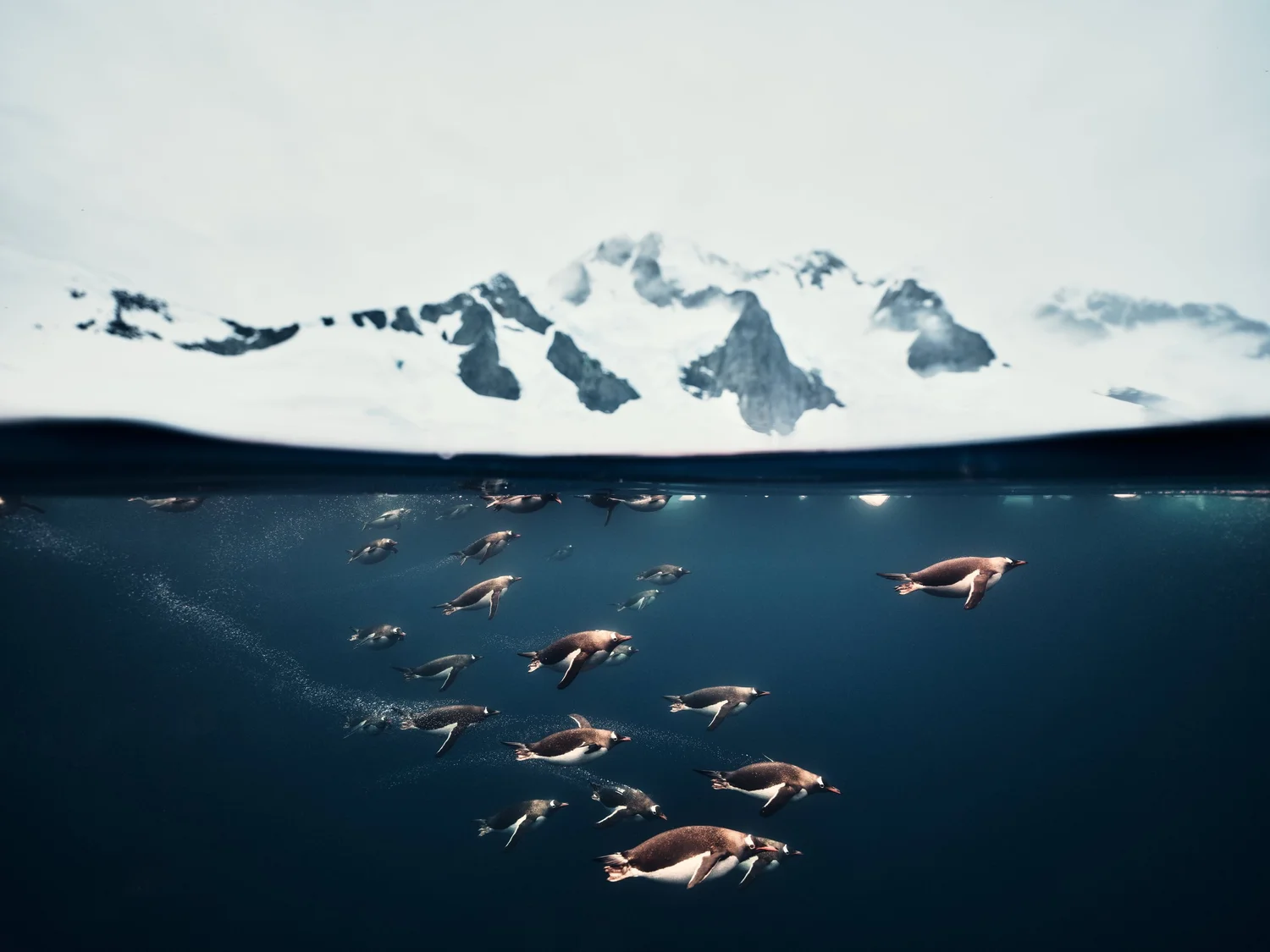
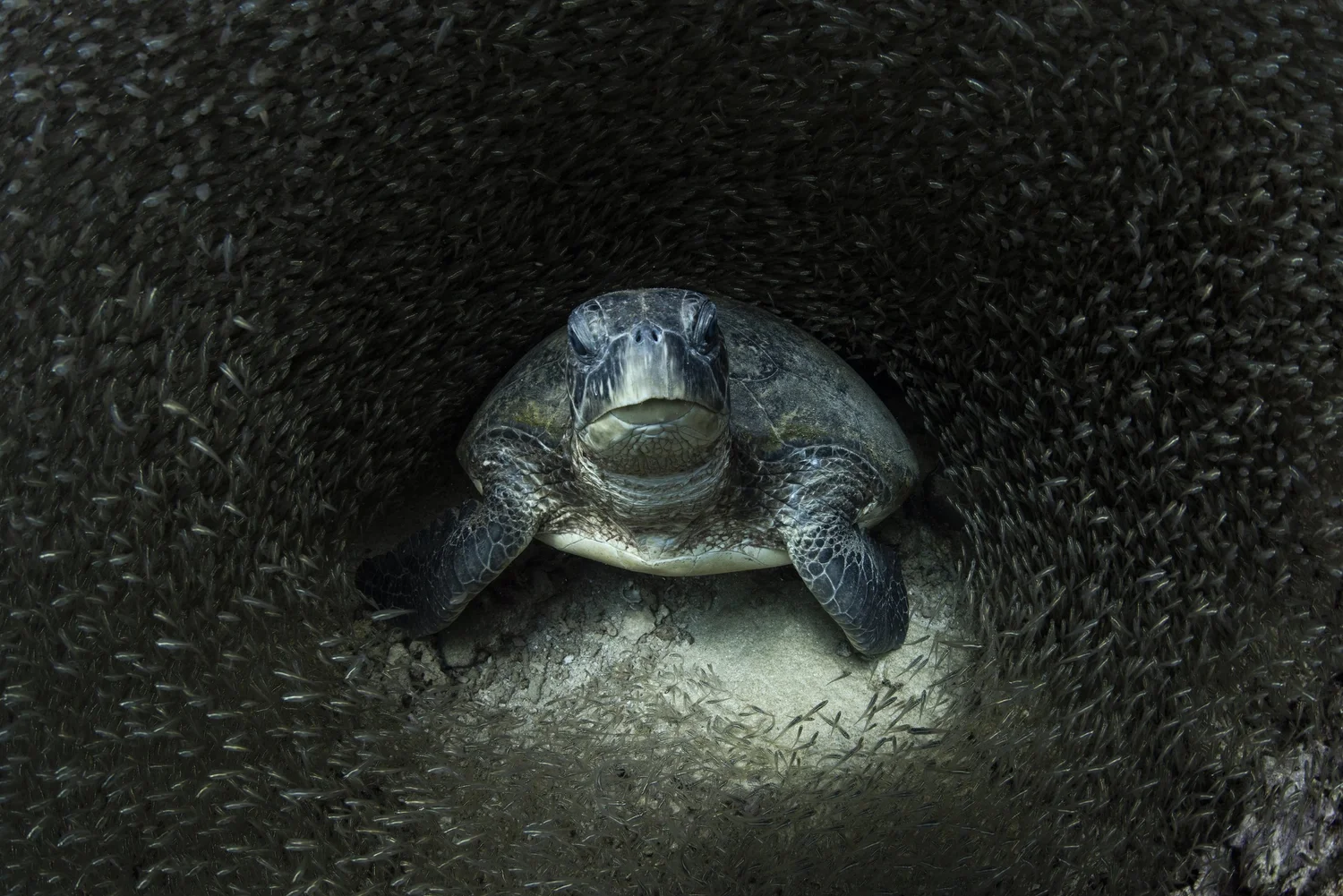
Giải Chân Dung Động Vật
Animal portraits
 giải VÀNG ảnh chụp chân dung động vật
GOLD: MARY SCHRADER, USA
Đó là một ngày được định nghĩa bởi những kết nối tĩnh lặng. Dưới tán cây xanh tươi của Bwindi, tôi quan sát một con khỉ đột cái non nép mình nhẹ nhàng vào thân hình đồ sộ của một con khỉ đột đực đầu đàn. Không khí thật thanh bình, tràn ngập những âm thanh dịu nhẹ của khu rừng, cho đến khi một sắc màu tinh tế bất ngờ phá vỡ sự yên tĩnh. Một vị khách không mời mà đến, một con bướm rực rỡ, xuất hiện từ hư không, nhẹ nhàng bay lượn trong không trung. Bị cuốn hút, đôi mắt của con khỉ đột non mở to, và trong khoảnh khắc đó, một sự tương tác tuyệt đẹp đã diễn ra như một sự ngạc nhiên thầm lặng, được chia sẻ giữa hai sinh vật hoàn toàn khác biệt. Tôi nín thở, hy vọng con bướm sẽ bay đến gần hơn, đưa cặp đôi kỳ lạ này vào một thế giới tò mò chung. Tim tôi đập nhanh một cách lặng lẽ, nhận thức được những khoảnh khắc này hiếm hoi và quý giá đến nhường nào. Khi con bướm uyển chuyển bay lượn quanh con khỉ đột, nó dường như thể hiện vẻ đẹp tinh tế và sự kết nối mong manh của thế giới tự nhiên. Bức ảnh này không chỉ ghi lại sự tò mò nhẹ nhàng của con khỉ đột mà còn là một khoảnh khắc ngắn ngủi, tuyệt đẹp khi hai sinh vật dừng lại, chú ý đến nhau, gắn kết bởi sự ngạc nhiên và khám phá.


Giải Hành Vi Động Vật Có Vú
Behaviour – Mammals
 Caption
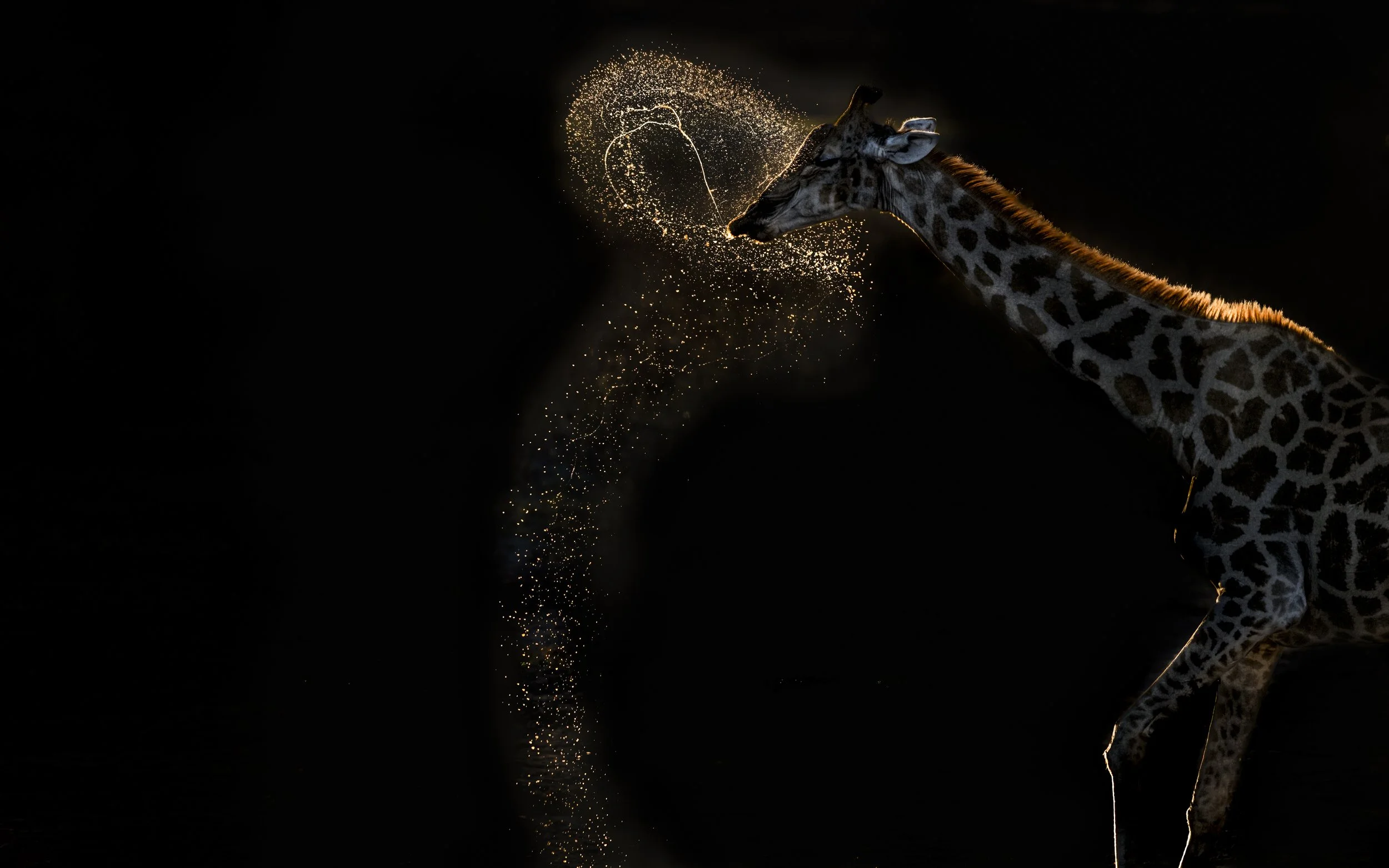
Giải VÀNG: VAIDEHI CHANDRASEKAR, SINGAPORE
Trong khung cảnh mặt trời lặn dần trên vùng đất khô cằn Makgadikgadi ở Botswana, một con hươu cao cổ đơn độc bước đến mép nước. Cao lớn và duyên dáng, nó uốn cong đôi chân dài, cúi cổ xuống uống nước. Rồi một khoảnh khắc kỳ diệu đã đến. Sau khi uống no, con hươu cao cổ ngẩng đầu lên - và với một cú quẫy nhẹ, nó phun ra một dòng nước tạo thành một vòng cung lấp lánh trong ánh sáng vàng. Những giọt nước nhảy múa trong không trung, tạo thành một vòng tròn gần như hoàn hảo trước khi rơi xuống đất.
Hình dáng con vật được làm nổi bật bởi ánh sáng viền, những phản chiếu vàng lấp lánh trên mặt nước trong không trung. Một hành vi hiếm hoi và thoáng qua, trở nên khó quên nhờ ánh hoàng hôn. Mong muốn của tôi là ghi lại sự tương tác giữa ánh sáng vàng và chuyển động của dòng nước quẫy.

Giải Hành vi Động Vật Lưỡng Cư và Bò Sát
Behaviour – Amphibians and reptiles
 Caption
GOLD: DEWALD TROMP, SOUTH AFRICA
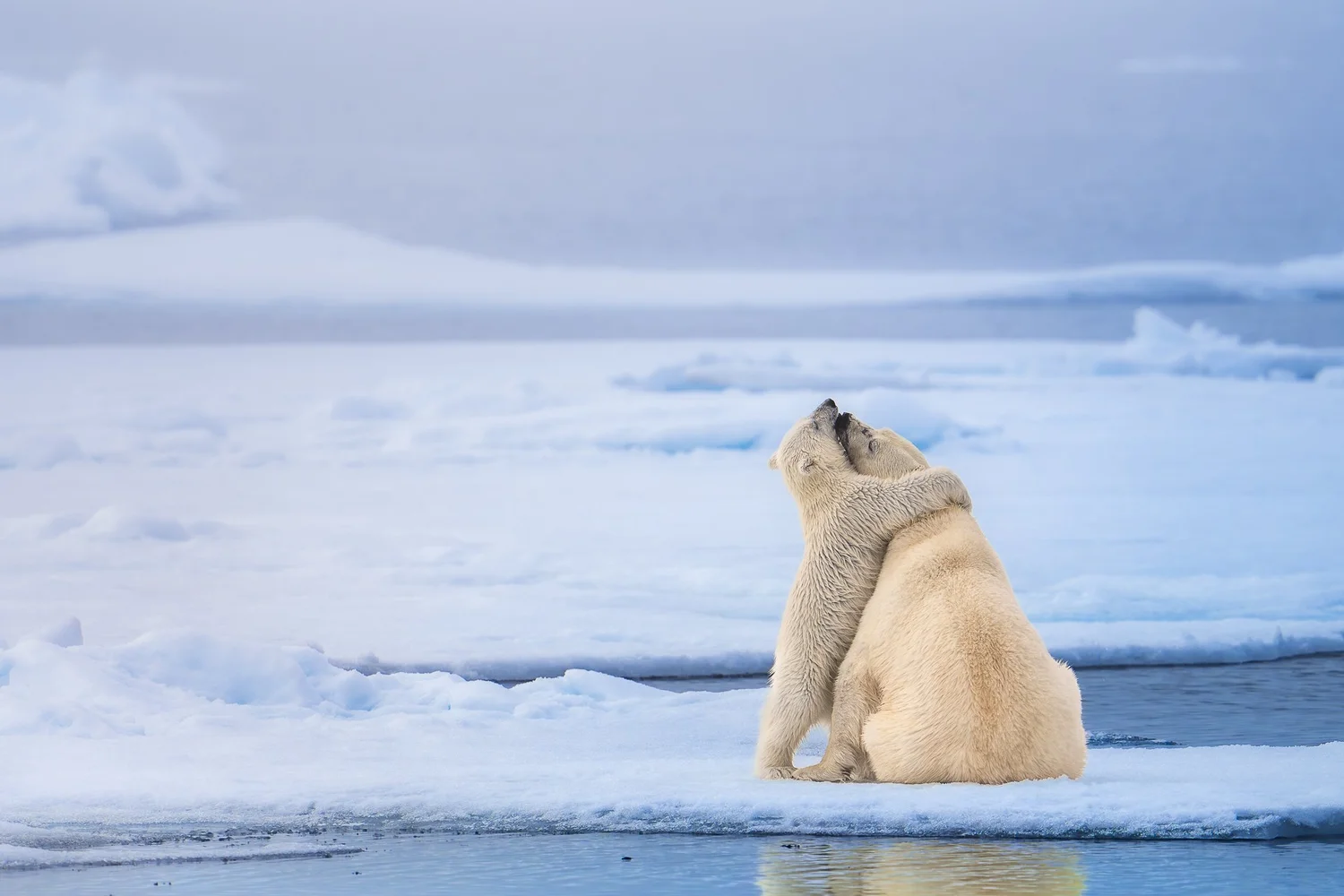
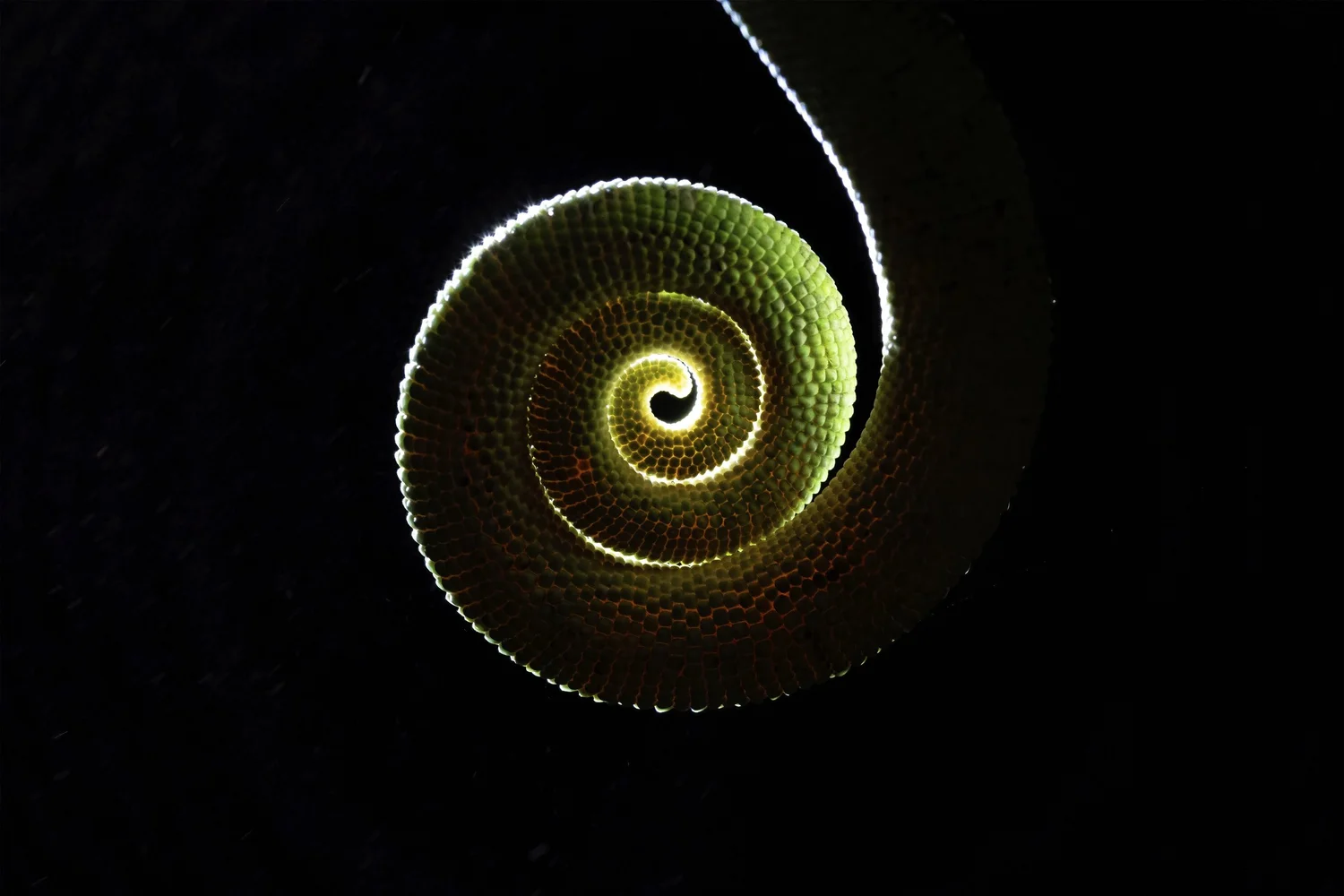
The Namib desert is one of the most extreme environments on earth, with a complete lack of surface water and temperatures exceeding 45C in the daytime. Despite this, life is abundant of you know where to look. Sandstorms are frequent, with wind blowing down from inland mountains that stir up fine sediment and particles. A Namaqua chameleon has to endure the sting of pebbles blowing against its skin while we were lucky enough to escape to the relative comfort of our 4x4.


Giải Hành Vi Động Vật Không Xương Sống
Behaviour – Invertebrates
 Caption
GOLD: MINGHUI YUAN, CHINA
In the tropical rainforest of Xishuangbanna, I found a moss moth larva creating a protective net nest on newly grown tender leaves of plants. Moss moth larvae bite off their toxic hair like structures and use their sticky saliva to build their own houses. It uses its own poisonous fur as building material, which can resist attacks from parasitic wasps and ants. In the net nest, the moss moth larvae form some very thin and difficult to see silk, hanging themselves in the air as if they were lying in a hammock. Subsequently, the moth larvae molt and transform into pupae. In the next few months, the moss moth pupae will wait for metamorphosis. The last moss moth will emerge from the net nest and hatch. Moss moth larvae are like architects, and the intricate structure of the net nest is full of geometric beauty, astonishing the extraordinary creativity of small creatures.


Giải Hành Vi Chim
Behaviour – Birds
 Caption
GOLD: FENQIANG LIU, USA
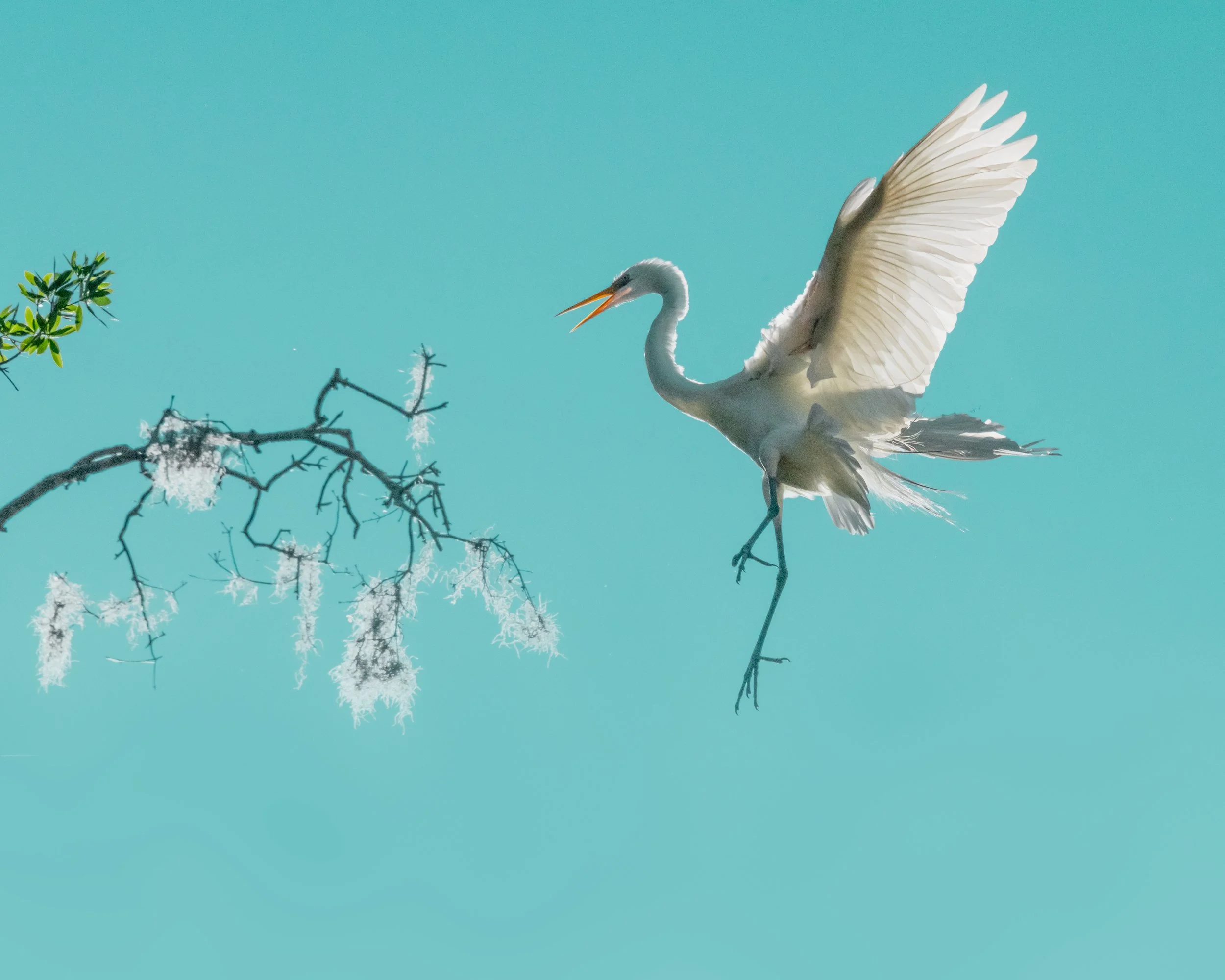
Each spring, great egrets gather at Kraft Azalea Garden in Central Florida to nest high in the trees. Photographing from below, I look for moments when backlight reveals the elegance and structure of their wings in flight. I captured this image on an early April morning, as an egret passed between me and the sun just before landing.


Giải Thiên Nhiên và Con Người
People and nature
 Caption
GOLD: DEENA SVEINSSON, USA
After an evening snowfall in the Grand Teton National Park, Wyoming, USA, the photographers woke up to a blanket of snow covering the sage flats. It was a relatively slow and boring morning watching the many bull moose eat their morning breakfast of bitter brush. A group of us photographers were photographing the bull moose eating his way in our direction. He would eat for about 10 minutes and then take a few steps only to start eating again. At some point, the bland bitter brush bored him and he decided to go on his walkabout. But he decided to do his walkabout in the direction of all the photographers. We quickly moved away to give the moose his space but, in all the haste, a tripod and camera ended up being left behind. At first the bull moose ignored the gear and started to thrash his antlers on the bitter brush. After his curiosity got the best of him, the bull moose decided to check out the camera gear.


Giải Thực Vật và Nấm
Plants and fungi
GOLD: DUNCAN WOOD, SCOTLAND, UNITED KINGDOM
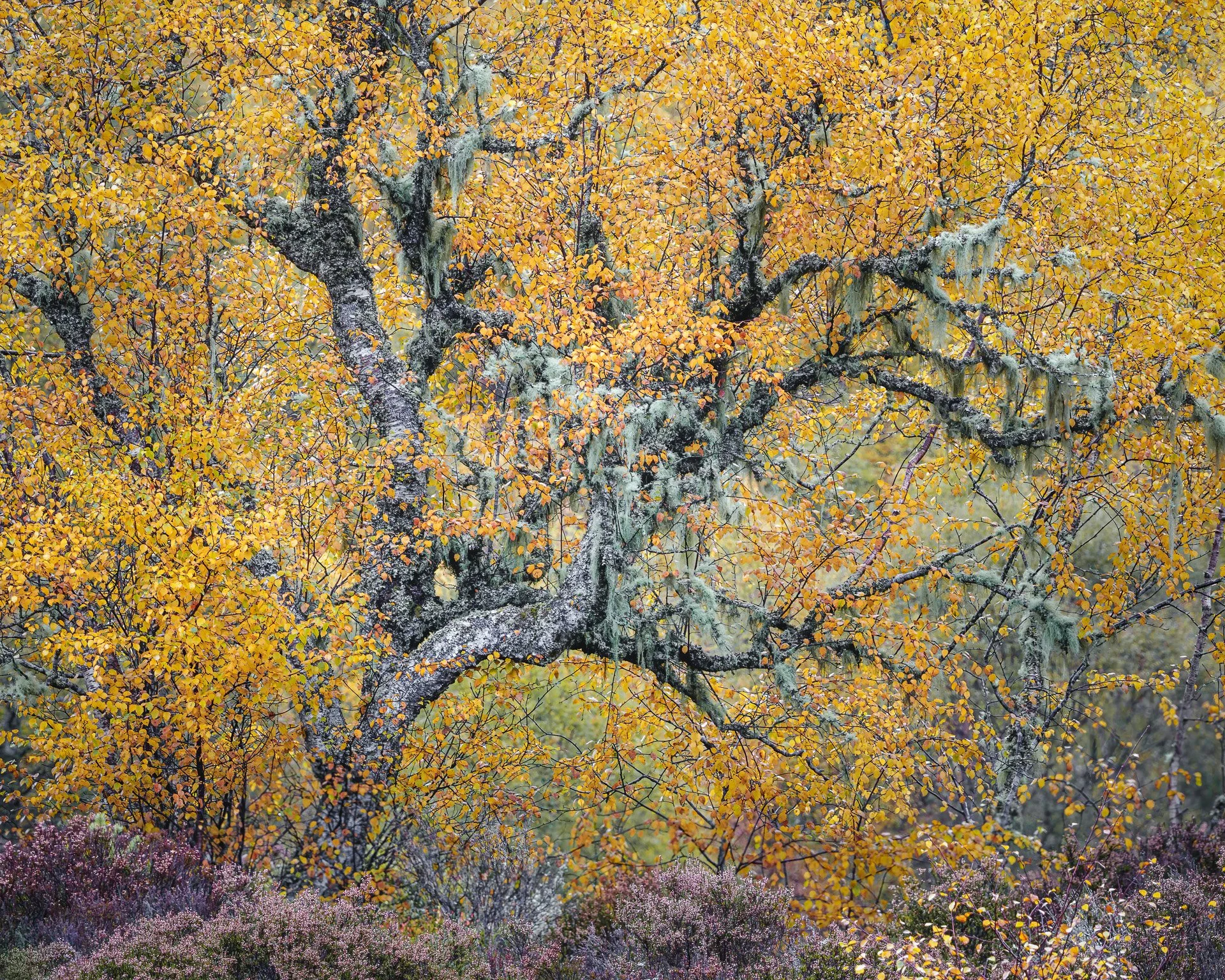
Golden autumn colours explode in this intimate portrait of an incredible, lichen-laden elder birch in full seasonal display — bold, brilliant, and full of character, like a woodland peacock. Taken in Glen Affric, this image captures a fleeting moment of drama and beauty from one of Scotland’s most vibrant autumn landscapes.

Giải Nghệ Thuật Thiên Nhiên
Nature art
GOLD: SIMON BIDDIE, UNITED KINGDOM
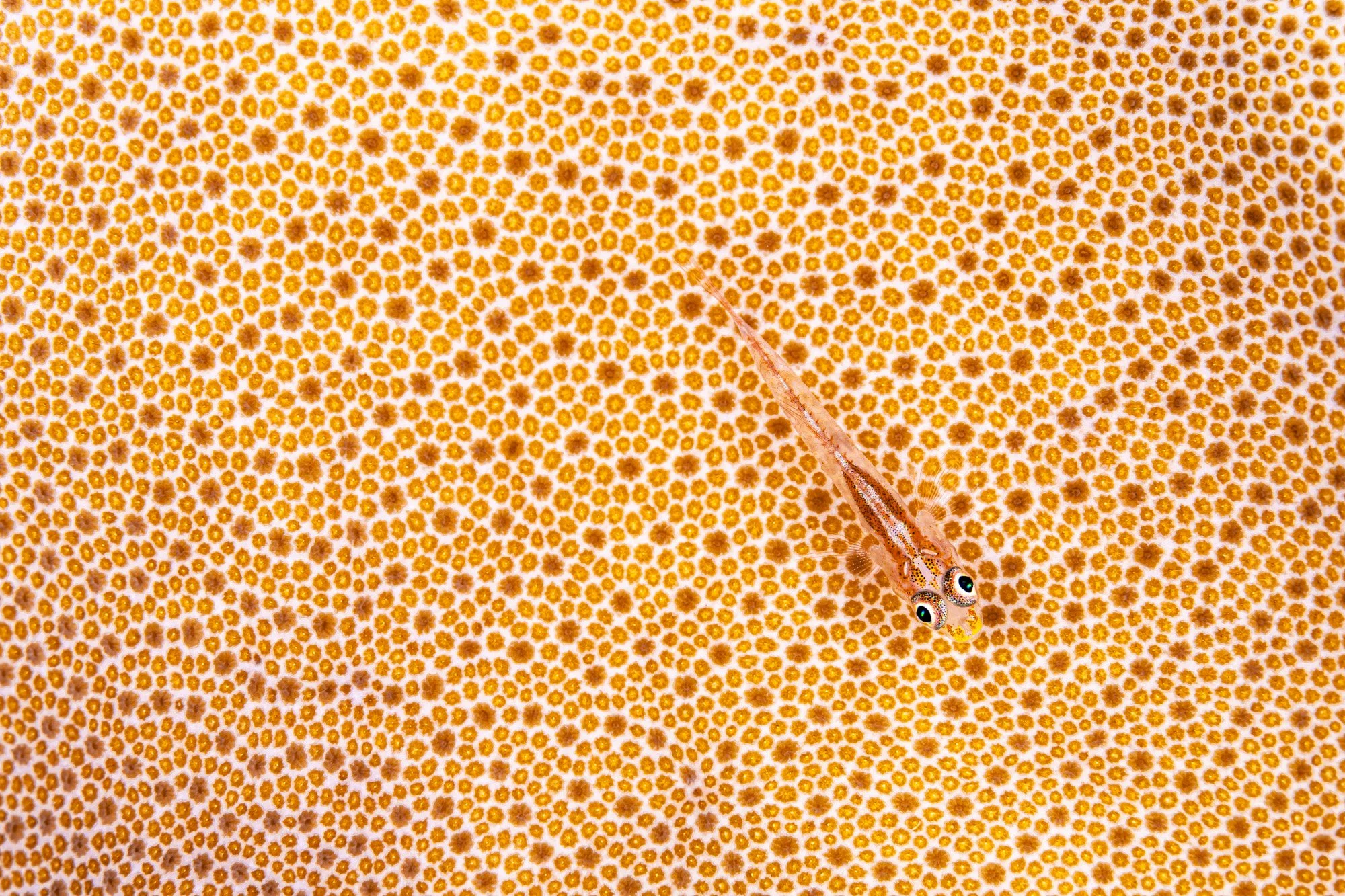
Small reef fish, unassuming and often unseen, contribute to 70% of the fish biomass, making them a critical part of reef food chains. Small fish, like many of their land-based insect equivalents, evade predators by being experts in hiding. These small reef fish are also known as ‘cryptobenthic’ fish – crypto as they hide in crevices, or use camouflage. As part of the food chain, they are important in supporting larger fish found in these reefs. Of these class of fish, the gobies are thought to be the most important. This photograph of a ghost goby shows how adept at hiding these small fish can be. Growing to about 2 cm long, they are well adapted to camouflage amongst coral. With their transparent bodies, fins with suction for firm grip, and low set gills to hide any movement, they try to evade their predators. In the meantime, their large, angled eyes are on the lookout for plankton.

Giải Phong cảnh và Môi Trường Trái Đất
Planet Earth’s landscapes and environments

GOLD: MIKI SPITZER, ISRAEL
This is a drone photo of a natural geothermal pool in central Iceland at Hveravellir. In the photo, you can see the pool, which I think looks like a dragon's eye.


Giải ảnh Trắng Đen
Black and white
 Caption
GOLD: CHRISTOPHER BAKER, USA
An adult pond slider turtle perched atop a stump bathing in the early morning sun. I lay on the ground to get a low angle perspective of the scene and converted to black and white to enhance the textures of the turtle’s shell and skin, as well as the stump.


Giải Động Vật trong Môi Trường Sốn
Animals in their habitat
GOLD: CHARLIE WEMYSS-DUNN, UNITED KINGDOM
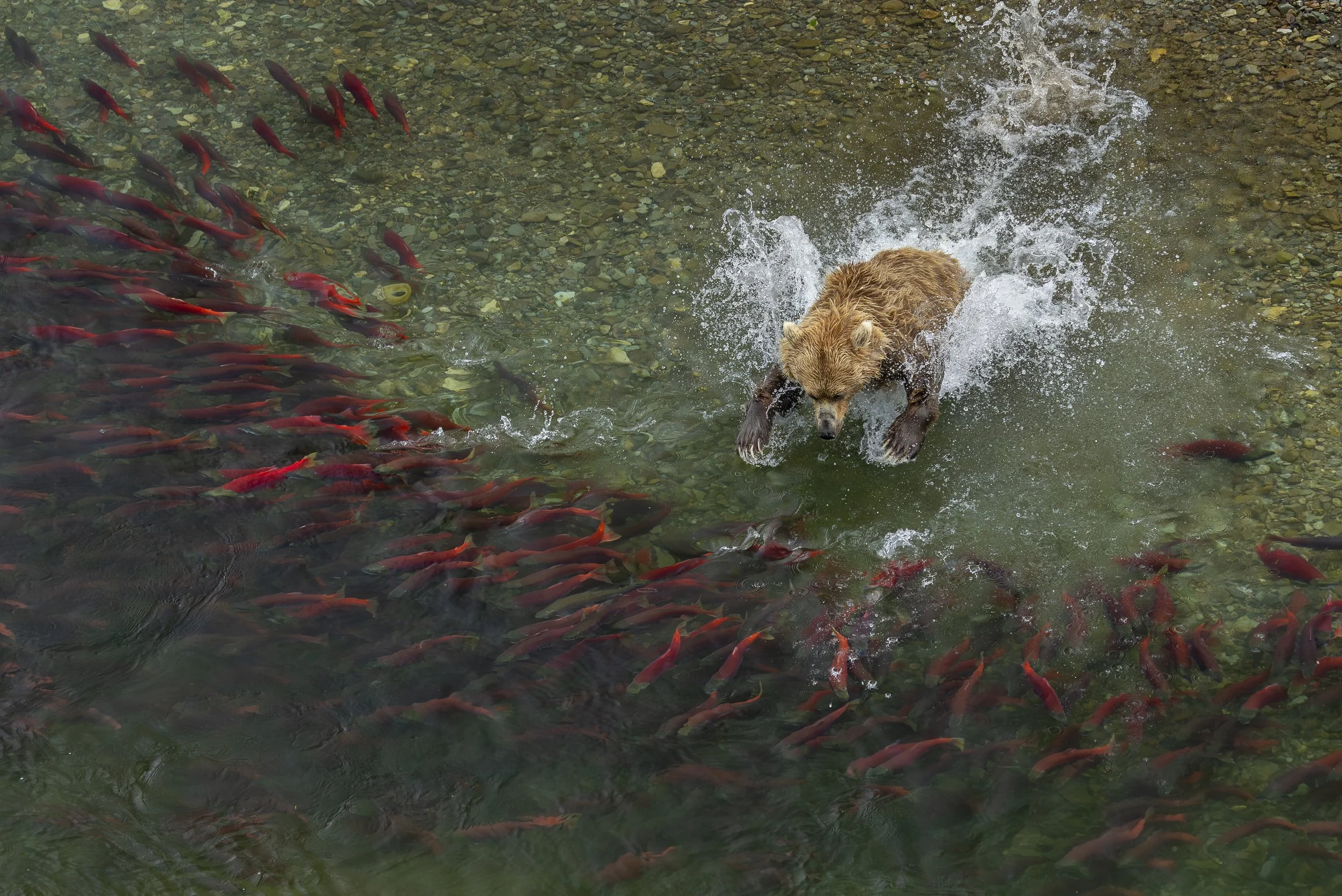
A hungry brown bear launches headlong into a creek in Alaska's Katmai National Park to try to catch one of the many sockeye salmon spawning in large numbers during their seasonal migration. Each August, large concentrations of brown bears gather along the rivers and creeks in Katmai, waiting for the annual arrival of salmon from the coast. I observed this scene after a two-hour walk from our camp from atop a cliff. I positioned myself at the cliff's edge to get a unique perspective looking down on the action below and used a polarizing filter to cut any glare from the water's surface. As the hungry predator approached the water, I used a fast shutter burst to freeze the moment when two nearby salmon dart away in diagonals from the outstretched claws of the diving bear.


Giải Cuộc Sống Đô Thị và Động Vật Hoang Dã
Urban wildlife

GOLD: ROBERT GLOECKNER, USA
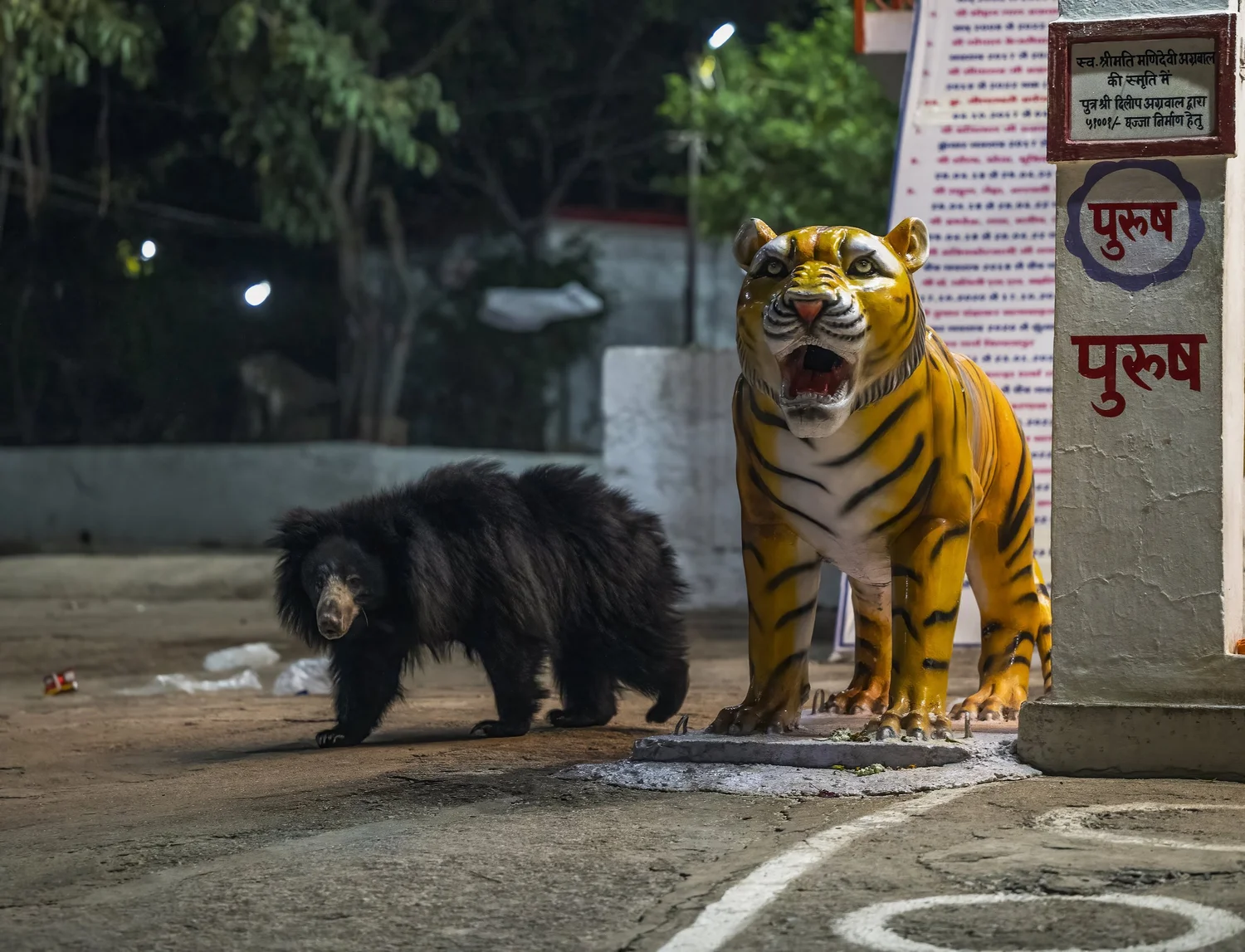
In this striking image, a polar bear in Churchill, Manitoba, investigates a heap of discarded electronics and household items - part of a growing and very human-made trash trail that’s reshaping how wildlife interacts with civilization. In 2024, the town's only trash facility burned to the ground. The incident underscored a growing concern: polar bears were increasingly scavenging garbage during the ice-free months, leading to a rise in human-wildlife conflicts. As sea ice forms later and melts earlier each year due to climate change, bears spend more time on land with fewer natural hunting opportunities. This prompts them to explore new food sources, no matter how artificial. This photo captures more than a curious bear, it symbolises the ongoing struggle between wilderness and waste. The “trash trail” leading from human settlements to the Arctic’s most iconic predator is not just a path of garbage.

Giải ảnh Báo Chí Thiên Nhiên
Nature photojournalism

GOLD: ALAIN SCHROEDER, BELGIUM
Kayla, a 37-year-old 61.2 kg female, in the procedure room and her stomach shaved for an ultrasound. Socks have been placed on his extremities, and a fur hat with flaps on his head to avoid hypothermia. General caption Founded in 1997, Save the Chimps is the largest privately funded chimpanzee sanctuary in the world. Its mission is to provide a safe haven to captive chimps that have been exploited by humans for research, testing and entertainment. The 150-acre state-of-the-art facility in Florida is home to over 220 rescued chimpanzees living their best possible lives among peers, thanks to a team of passionate veterinarians, caretakers and volunteers who provide personalized care, and nutritious individual feeding and enrichment plans, in a spacious island habitat. The sanctuary is working tirelessly to welcome all captive chimpanzees across the United States who need refuge and expert loving care for the rest of their lives.

SILVER: SANDESH KADUR, INDIA
The Great Texas Freeze in February 2021 led to thousands of stunned and suffering green sea turtles. As the cold front swept in, green sea turtles were completely unprepared for the cold and unable to regulate their body temperature and metabolism to stay active. The South Padre residents came together. Volunteers braved the cold and swung into action, collecting over 5000 turtles by carload and bringing them to rescue and rehabilitation centres on the island. Under the watchful eyes of the volunteers and rescuers, the turtles could slowly bring their core temperature up to normal.

BRONZE: JONATHAN WOSINSKI, FRANCE
Seasonal rains were expected, but drought persisted across the Masai Mara. Smoke from traditional Maasai management fires drifted across the savannah, softening the horizon and creating a tense atmosphere. Anticipating movement, I waited as this female leopard returned to her kill. Instead of rushing, she paused midway up the tree, scanning her surroundings while smoke blurred the landscape behind her. Though the fires were controlled, the scene reflects a wider concern: as climate change alters ecosystems and wild spaces continue to shrink, how much room will remain for wildlife?
Source: https://www.worldnaturephotographyawards.com/winners-2026